Sunday, October 2, 2011

Coach G's Teaching Tips!

Education Week
Education WeekCoach G's Teaching Tips

David Ginsburg (aka Coach G) specializes in instructional coaching, leadership coaching, and teacher training. He has three decades of experience in business and education, including 17 years as a teacher, instructional coach, and school leader. He invites readers to join him in sharing and discussing classroom practices and resources.

You can visit his blog in Education Week's online blog section: 

Special Needs Parent Magazine...

Here's as great parents magazine for Special Needs Parents.... it's online and it is also available by subscription.

http://parentingspecialneeds.org/article&article=329

The above article is titled, "Managing Meltdowns 101"
Here's a great video on using visuals to teach students with autism....


Click HERE to get the link directly in YouTube....

Board Maker tutorial...

Here is a great tutorial on using Board Maker...


Interative Website from LiveBinder!

LiveBinders Beta
LiveBinder is a great new tool that educators are using to store material for retrieval from the internet. Some of the educators are sharing their interactive websites they have found that help students as an extension or enhancement of the lessons. Check them out HERE.

|D|

Common Core Standards... from LIveBinder!!

LiveBinders Beta
Here is an interactive look at the new Common Core Standards that are available on Live Binder.

Be sure to check out all of the TABS at the top of the home link to get more and more information along with Lesson Plans and transitional planning as we all move toward the Common Core Standards.

http://livebinders.com/play/play_or_edit?id=


20 Tips for Developing Positive Relationships with Parents


A former teacher and instructional coach, Elena Aguilar is now a transformational leadership coach in the Oakland Unified School District.

In honor of Edutopia's 20th anniversary, we're producing a series of Top 20 lists, from the practical to the sublime.

Twenty Tips for Developing Positive Relationships with Parents

In our busy day of juggling papers, lesson planning and managing sometimes more than a hundred students, we can easily forget the group that could lend significant support in our charge as teachers -- parents and families. Consider these tips for improving connections with this valuable group:
1. Smile When You See Parents
Greet them. Most parents only occasionally interact with teachers so make sure that at least 90 percent of your encounters with them are positive, warm, and friendly. The impressions left from fleeting encounters in the hallway last a long time.
2. Learn Their Names
(If you have a self-contained class.) Learn how they like to be addressed (Mr. ____? SeƱora? By their first name?) and how to pronounce them correctly.
3. Declare Your Intention
Tell them that you want to partner with them, that you appreciate their support, and look forward to working together.
4. Communicate Often and in Various Forms
Provide information about what's going on in your class (weekly would be ideal): what students are learning, what they've accomplished, what you're excited about, what they're excited about, and the learning and growth you're seeing. Suggest things that they might ask their child about: "Ask them to tell you about what they learned last week about meal worms," or "Ask them to read you the haiku they wrote."
5. Make a Positive Phone Call Home
If you have a self-contained class, call all homes within the first couple of weeks and then at regular intervals throughout the year. If you teach many students, identify those students who perhaps need a positive call home.
6. Lead with the Good News
Give positive praise first when calling parents or meeting with them to discuss a concern. Every kid has something good about him/her. Find it. Share it. Then share your concern. Adhere strictly to this rule.
7. Find a Translator
If you can't speak their language, seek a translator for at least one parent conference and/or phone call. (For obscure languages, you can sometimes find a refugee center or other public agency that can help). Reach out to those parents as well; do whatever you can to connect.
8. Your Language is Powerful
It communicates an awareness that there are many different kinds of families. Be careful not to assume a mother is, or isn't married, or even that if she is married, she's married to a man. Learn to ask open-ended questions and understand that sometimes parents/guardians might not want to share some information.
9. Ask Questions about the Child
"What kinds of things does he enjoy doing outside of school? Who are the special people in her life -- family or family friends? What do you think are her best characteristics? What was he like as a little boy?" Demonstrate an interest in knowing your student.
10. Listen to Parents
Really listen. They know a whole lot about their kid.
11. Smile at the Child When talking to a parent in front of a child, smile and make eye contact with the student to demonstrate that you care about him/her. Recognize what he/she has done well in your class in front of the parents. Then share a concern, if you have one.
12. Invite Parents to Share
Distribute a survey at the beginning of the year (if parents don't read/write in English, students can interview them and relay their answers). Find out what parents know about and what skills they have. Invite them in especially if it connects the curriculum and content. Let them share with you their cultural traditions, interests, passions, skills, knowledge.
13. Let Parents Know How They Can Help
Many want to help but especially as kids get older, parents aren't asked for help as often and don't know what to do. There's always some way they can help in the classroom.
14. Be Very Specific
Provide ways parents can support their child at home: "You can help your child with her math homework by asking her to explain how she got an answer," or "As you're reading stories at night, ask your child to make predictions. This strengthens reading comprehension."
15. Be a Broker of Resources
If they share a concern, be prepared to point them to a direction where they can find help. If you share a concern ("Your daughter spaces out and doesn't pay attention") be prepared to suggest what the parents can do.
16. Explain Your Instructional Decisions
Take the time to do this and help them learn about the education system if they're not familiar with it. Help them understand what you're doing and why.
17. Invite Parents to Participate in Making Some Decisions
Invite their input, give them information that will help them form an opinion, and listen to their conclusions.
18. Thank Parents
Both individually and publicly for their support, perhaps in your weekly newsletter. Recognize what they do to help your class and how it's impacting students.
19. Share Every Success
Let parents know what their child is doing well, what academic skills, social skills or knowledge he's mastered.
20. Invite Parents to Celebrate and Break Bread Together
Communities are strengthened when people come together in celebration. Start the year with a potluck. Share food and stories about food. We all bond over food.

If you like this, you might also like


Additional Research by Frieda E Harris


25 More ways to improve communication!!


Research indicates that children are more successful in school when their parents communicate with their teacher and become involved in their child's educational process. Good parent/teacher communication is critical in the improved teacher student relationship. Better teacher/student relationship results from positive parent and teacher communication that could make a vital difference in the overall child's future.
Another way to effectively improve parent/teacher relationships is the use of technology. Many school districts have instituted the use of "Edline.com" which gives parents access to their child's grades/reports. Parents have the option of communicating with teachers through this valuable educational tool. It helps open channels of communication between the teachers, parents, and students.
Here are some additional tips for developing positive relationships with parents:
1.It is important to let the parent know that you are genuinely interested in their child and the child’s progress.
2.Ensure that you will help the child in any way with their difficulties.
3.Always make eye contact with the parent when talking to them in person.
4.Establish respect by addressing the parents as Mr., Mrs., or Miss.
5.Have an open door policy where the parents can feel comfortable discussing their child with you at any time. If a child has a special need, ensure the parent that their child's educational need will be met.
6.Let the parents know what your goals are from the beginning.
7.Ask questions about the child (i.e. likes, dislikes, hobbies, home responsibilities).
8.Invite the parents to the classroom so they can see the classroom environment.
9.Invite parents to visit the classroom once a month and sit in on lesson discussions. If the parent has a disability, offer to assist them in anyway to make them confortable.
10.Be honest with the parents when discussing their child.
11.Do not be late for parent/teacher conferences.
12.Monthly send positive memos home to keep the parents informed of their child’s progress.
13.Encourage parent/child board games to help build vocabulary skills, i.e..scrabble,upwords,boggle.
14.Keep the parents informed of the accomplishments citing areas that need improvement.
15.Keep a positive attitude when talking about the child.
16.Talk to parents often and be polite.
17.Invite parents to celebrate birthdays in the classroom.
18.If the parents have trouble speaking English, be patient and ask someone for help.
19.Let the parents know that you appreciate their help by sending a thank you note home or acknowledging them in a PTA meeting.
20.At the end of every person to person meeting, thank them for their time with a warm handshake.
21.Walk them(parents,guardian)to the door.
22.Ask for permission for a home visit monthly with students who are having difficulties.
23.Establish areas where the child has the most problems and work with the parents to find a solution. When parents ask questions about their child, answer precisely and accurately. Help parents to feel important in their child’s education.
24.If a parent calls you and you are unavailable, be courteous and return the call.
25.Encourage the parents to look over homework for neatness,completeness, and accuracy.

Sunday, September 25, 2011

The 5 R's of Logical Consequences


In the area of Classroom Management, Logical Consequences is one method from Albert (1996); Nelsen, Lott & Glenn (2000).  We have listed the 5 R's of Logical Consequences here for your resource:

Related:                          A consequence should be logically connected to the behavior. 
                                        The more closely related to the consequence, the more 
                                        valuable it is to the student.


Reasonable:                   A consequence should be equal in proportion and intensity 
                                       to the misbehavior. The purpose is for the students to see 
                                       the connection between behavior and consequences, 
                                       not to make them suffer.


Respectful:                    A consequence should be stated and carried out in a way 
                                      that preserves a student's self-esteem. It addresses the behavior, 
                                      not the character of the student.


Reliably Enforced:       A consequence should follow misbehavior. Threats without action
                                      are ineffective. Consistency is the key.


Revealed:                     A consequence should be revealed (known) in advance for 
                                      predictable behavior such as breaking class rules. When misbehavior 
                                     occurs that was not predicted, logical consequences connected to the 
                                     misbehavior should be established.

Thursday, September 1, 2011

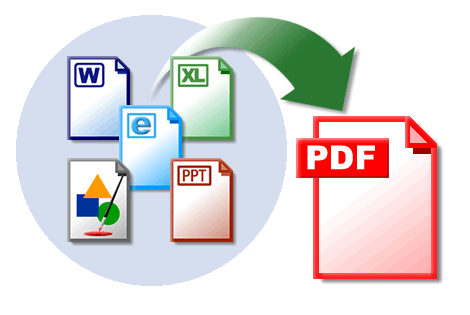
Convert documents to PDF...


If you are using an older version of MS-Office or if you have a document that you need to have converted to a PDF then here are three links that will generate your document into PDF format and send them back to you.

www.doc2pdf.net
This takes a while to load. Scroll to the bottom of the page and browse for your file. Click to convert. Save where you want it to reside on your computer.


www.zamzar.com
This will send you a PDF version of your file. If you don't see the file, check your spam filter, and allow after the first time it gets stuck.


www.freepdfconvert.com is another one like zamzar, abvoe, same process.

Of course the best one is the PDF in MS-Office 2007 or 2010 products, such as Word, Excel, Publisher, etc. When you select to print your document it can be "published" as a PDF file autmatically as well as saved as a word, excel, or publisher document.


|D|

Wednesday, July 27, 2011

Welcome!


Welcome to the WCSchools Special Education information sharing tool.

We will be posting information from time to time on tips, techniques, new information, information that can be shared with parents, students and our local community. Please remember to not use the student's name when sharing on the blog and always maintain professional courtesy.

We will be listing upcoming events, a page for active websites that can be of assistance as well as, up-to-date information and instruction.

We hope each of you will contribute to this site and will help us make it one that we can find beneficial to each of us in the school district. One in which we can be proud.

For questions please contact me at morthelr@wcschools.com for information or instructions.

Thanks,
Dr. Robin Morthel,
Special Education Program Coordinator